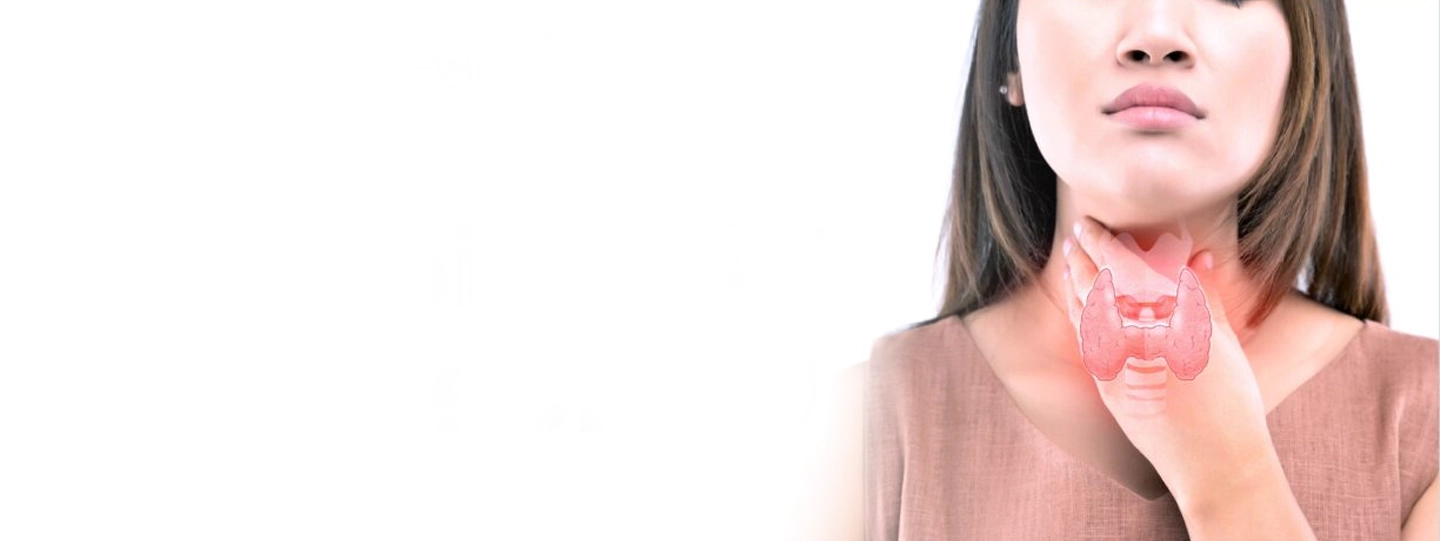
The following are the various types of Thyroid Disorders:
| Main Category | Sub-Category | Description |
| Hypothyroidism (Underactive Thyroid) | Hashimoto’s disease | A lifelong autoimmune condition that damages the thyroid and leads to reduced hormone production. It is the most common cause of hypothyroidism in regions with adequate iodine intake. |
| Iodine deficiency | Lack of iodine in the diet prevents normal thyroid hormone production and may cause goiter. It is the most common cause of hypothyroidism in areas without iodized salt. | |
| Congenital hypothyroidism | A condition present from birth in which the thyroid is missing or underactive. It affects about 1 in 2,000–4,000 newborns. | |
| Hyperthyroidism (Overactive Thyroid) | Graves’ disease | A chronic autoimmune disorder that causes the thyroid to produce excessive hormones. It is the most common cause of hyperthyroidism. |
| Thyroid nodules | Abnormal lumps in the thyroid that may become overactive and produce excess thyroid hormones. | |
| Excessive iodine | Too much iodine in the body causes increased thyroid hormone production, sometimes due to medications like amiodarone. | |
| Conditions Causing Both Hypo- and Hyperthyroidism | Thyroiditis | Inflammation of the thyroid that usually causes temporary hyperthyroidism, followed by temporary or chronic hypothyroidism. |
| Postpartum thyroiditis | A condition occurring after pregnancy that initially causes hyperthyroidism and later hypothyroidism. It is usually temporary and affects about 5% of people after childbirth. |
Read Also: Types of Thyroid Cancer: Causes, Symptoms, Complications
Thyroid disease can cause a wide range of symptoms. The symptoms of Thyroid disorders often resemble those of other medical illnesses and age-related disorders. This can make it challenging to determine whether your symptoms are caused by a thyroid problem or something else.
The underactive and overactive thyroid are often associated with "opposite" symptoms. This is due to the fact that hypothyroidism slows down your metabolism, whereas hyperthyroidism accelerates it. The following are the symptoms of thyroid disorders:
| Symptoms of Hypothyroidism | Symptoms of Hyperthyroidism |
| Slower-than-normal heart rate | Faster-than-normal heart rate (tachycardia) |
| Feeling worn out (fatigue) | Difficulty sleeping |
| Unexplained weight gain | Unexplained weight loss |
| Feeling sensitive to cold | Feeling sensitive to heat |
| Dry skin and dry, coarse hair | Clammy or sweaty skin |
| Depression | Anxiety, irritability, or nervousness |
| Heavy menstrual periods (menorrhagia) | Irregular menstrual cycles or absence of periods (amenorrhea) |
The following are the tests that are advised to establish the diagnosis of Thyroid disorders:
The type of Thyroid disease and its underlying cause determine the course of treatment. Restoring your thyroid hormone levels to a healthy range is the cornerstone of the treatment. The following are the best thyroid care options in Mumbai:
Before you leave, your doctor will tell you how to care for your incision. In the days to come, they will inform you of the kinds of issues to watch out for. It will take nearly two to three weeks to recover well. Before resuming strenuous activities, such as exercise and heavy lifting, you should wait at least one to two weeks.
Following the procedure, you will probably have a small scar on the front of your neck. The majority of scars range in length from one to two and a half inches. The size is determined by the size of your thyroid. It may take 12 to 18 months for the scar to heal. It will be dark at first, then gradually become lighter. For several months before it settles, it may look elevated or swollen. You can get detailed advice on how to take care of your scar from your surgeon.
Any surgery might be stressful. Feeling anxious or unsure is common. However, Thyroid Surgery is among the most common and safe procedures. After medical or surgical care, many people feel significantly better and recover well. Get all your queries addressed before going for any thyroid treatment.
Choose Surya Hospitals for the best thyroid treatment in Mumbai. The best thyroid doctors in Mumbai are available round the clock to support you and provide the best care possible for over as well as underactive thyroid. Book your consultation now!
Q1: Is Thyroid treatment lifelong ?
A: Some Thyroid conditions require long-term or lifelong treatment, especially hypothyroidism or after thyroid removal, to maintain normal hormone levels.
Q2: Which doctor should I consult for Thyroid problems ?
A: You should consult an Endocrinologist or a Thyroid specialist. Surya Hospitals has experienced thyroid doctors in Mumbai for comprehensive care.
Q3: Where can I get advanced Thyroid treatment in Mumbai ?
A: Surya Hospitals offers advanced Thyroid diagnosis, medical management, and Thyroid Surgery in Mumbai with expert specialists.



 +91 8828828100


 Previous
 Next
Next


