.webp)
Minimally Invasive Care: Precise treatment for fibroids, cysts, and endometriosis.
Faster Recovery: Keyhole incisions part muscles instead of cutting, reducing pain and scars.
Transparent Timelines: Clear guidance for before, during, and after surgery.
Laparoscopic surgery is a minimally invasive surgical technique that uses a thin camera called a laparoscope to view the inside of the abdomen and pelvis. Instead of making one large incision, surgeons perform the procedure through a few small cuts. The camera sends images to a monitor, allowing the surgeon to perform precise surgical treatment using specialised instruments.
| Attribute | Laparoscopic (Keyhole) Surgery | Traditional Open Surgery |
| Incision Size | Keyhole cuts (approx. 5–12 mm) | Large single incision (approx. 5–15 cm) |
| Average Hospital Stay | Same day or 1–2 days max | 3–5 days for monitoring |
| Recovery Timeline | Back to light activities in 1–2 weeks | Full recovery takes 4–6 weeks |
Depending on the condition being treated, laparoscopy may be used for diagnosis, treatment, or both.
Laparoscopy has become an important tool in modern gynaecology because it can help diagnose and treat several common conditions. These include:
Your gynaecologist may recommend laparoscopic surgery after evaluating your symptoms, medical history, imaging reports, and treatment goals.
When managing ovarian cysts, a woman's deepest concern is almost always her future fertility. Modern laparoscopy provides the microscopic precision needed to meticulously peel the cyst away while fiercely safeguarding the underlying healthy tissue—ensuring your ovarian reserve is preserved and protected.
Fibroids are non-cancerous growths that develop within or around the uterus. While some fibroids cause no symptoms, others can lead to:
For women requiring surgical treatment, laparoscopy for fibroid removal may be an option depending on the size, number, and location of the fibroids. During a laparoscopic myomectomy, the surgeon removes the fibroids while preserving the uterus whenever appropriate. This minimally invasive approach often allows women to recover more quickly than traditional open surgery.
Learn More: Uterine Fibroids Treatment at Surya Hospitals
Ovarian cysts are fluid-filled sacs that develop on or inside the ovaries. Many cysts disappear naturally, but some may require monitoring or surgical treatment.
Symptoms may include:
When surgery is necessary, laparoscopy for ovarian cyst removal is often preferred because it allows surgeons to remove the cyst while preserving healthy ovarian tissue whenever possible. Laparoscopy may also help determine whether a cyst is benign and provide treatment with minimal disruption to surrounding structures.
Learn More: Ovarian Cysts Treatment at Surya Hospitals
Endometriosis occurs when tissue similar to the lining of the uterus grows outside the uterus, often affecting the ovaries, fallopian tubes, and pelvic organs.
Common symptoms include:
Because endometriosis can sometimes be difficult to diagnose through imaging alone, laparoscopy is considered one of the most effective methods for confirming the condition. During the procedure, surgeons can identify and remove or treat endometriosis lesions, helping reduce symptoms and improve quality of life for many women. The extent of surgery depends on the severity and location of the disease.
Learn More: Endometriosis Treatment at Surya Hospitals
One of the biggest advantages of laparoscopic surgery is faster recovery compared to traditional open procedures. However, every woman's recovery experience is different and depends on the complexity of the surgery performed.
Typical gynaec laparoscopy recovery time may include:
Day 1-3
Weeks 2-3
Full Recovery
Complete recovery may take several weeks, especially after more extensive surgeries. Your surgeon will provide personalised guidance regarding exercise, work, travel, and physical activity.
To support recovery:
Always contact your healthcare provider if you develop severe pain, fever, heavy bleeding, or signs of infection.
Advances in minimally invasive surgery have completely transformed how complex gynaecological conditions are managed. Whether you require laparoscopy for fibroid removal, ovarian cyst excision, or advanced endometriosis treatment, keyhole surgery offers a highly effective, precise option that protects your health with minimal disruption to your daily life.
When it comes to your reproductive health, choosing the right surgical team is paramount. Surya Hospitals is proudly recognized as India’s Best Hospitals for Gynaecology and ranked No.1 by Outlook Survey 2026 — a testament to our clinical excellence, cutting-edge surgical infrastructure, and patient-first care.
Gynaecological Surgeries at Surya Hospitals → Endometriosis Treatment at Surya Hospitals
Q1: Is laparoscopic surgery safe for all women?
A: Yes, laparoscopic surgery is highly safe for most women, though absolute suitability depends on your individual medical profile. While it is the gold standard for most, factors like extensive pelvic scar tissue from past open surgeries or severe heart conditions may require an alternative approach.
Q2: How long does recovery take after gynecological laparoscopy?
A: Initial recovery typically takes 1 to 2 weeks, with complete healing achieved within 4 to 6 weeks. You can generally resume light desk work and walking within a few days, but you should avoid strenuous exercise and heavy lifting until cleared by your doctor.
Q3: Will laparoscopy affect my ability to get pregnant?
A: Laparoscopic surgery is designed to protect and often improve your fertility by removing structural blockages to conception. The procedure treats conditions like cysts, fibroids, or endometriosis with microscopic precision to aggressively safeguard your healthy ovarian reserve.
Q4: Is laparoscopy painful?
A: Laparoscopy causes significantly less post-operative pain than open surgery, with most acute discomfort fading within 48 to 72 hours. Any mild soreness at the keyhole incision sites or temporary shoulder stiffness from surgical gas is easily managed with basic prescribed medication.
Q5: What is the cost of laparoscopic surgery in Mumbai?
A: The cost typically ranges from ₹60,000 to ₹2,50,000, depending on the clinical complexity of your case. The final estimate will vary based on the specific condition treated, your choice of hospital room category, and your insurance parameters.
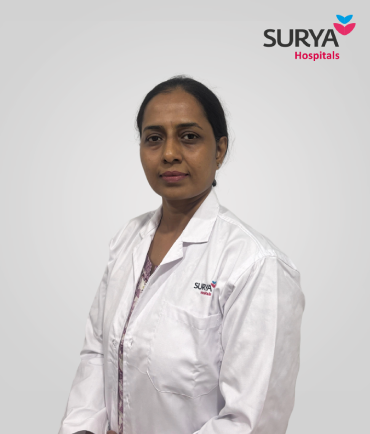
Senior Consultant Gynaecologist & Laparoscopic Surgeon
Meet the doctor


 +91 8828828100


 Previous
 Next
Next


