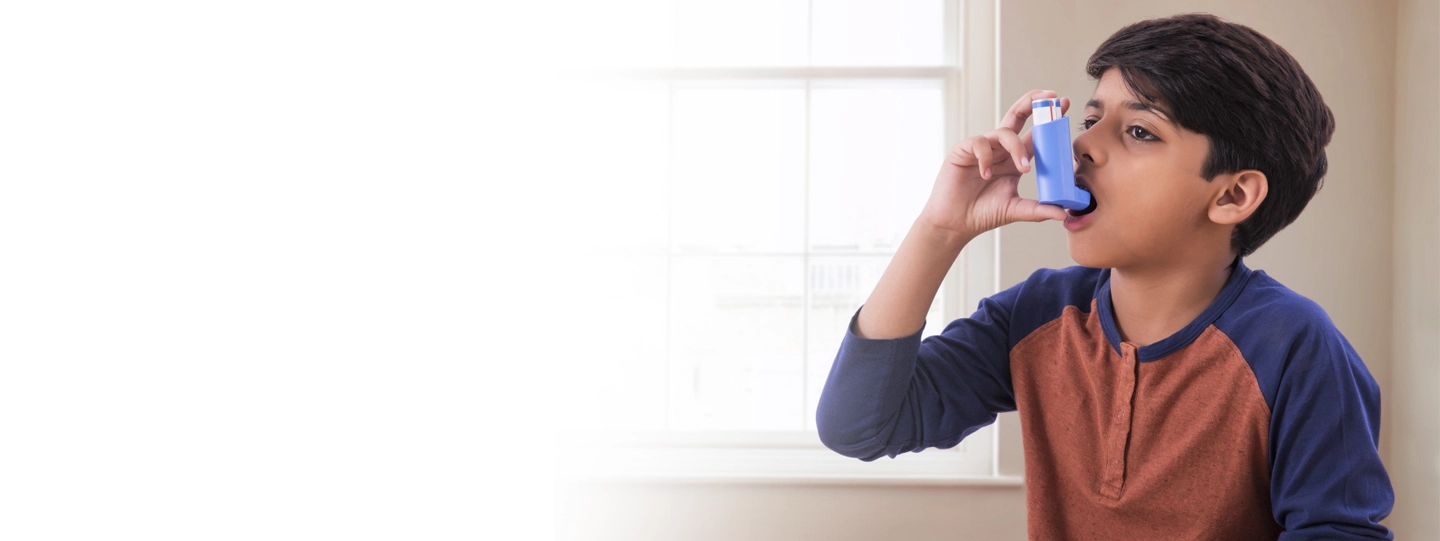
Once a person with asthma breathes cold, dry air, it can trigger the muscles within to start to spasm while trying to keep the airways open. This further leads to irritation of the lining of the airways, resulting in coughing, wheezing, and shortness of breath.
If you’ve ever stepped out into chilly air and felt that sudden sharp hit in your chest, imagine how it feels for a child whose airways are already sensitive. Cold air is naturally dry, and dry air irritates small air passages. That irritation can make the breathing tubes narrow more quickly, which is exactly why some children begin coughing even if they were perfectly fine a few minutes earlier
Cold weather asthma symptoms and flare-ups can be brought on by chilly air, particularly when the air is dry. The dryness of chilly air can cause breathing issues for many asthmatics. Cold air coupled with windy weather could trigger winter asthma symptoms. Variations in weather and swings in temperature are known to cause airway inflammation and lead to asthma episodes. The effects of the cold air on breathing might be severe for those who already have irritated bronchial tubes.
Read Also: Pediatric Asthma Symptoms : Symptoms, and Diagnosis
If the following symptoms of winter asthma increase during winter, it’s a clear sign that cold air is playing a role. Also, don’t forget: winter allergies often blend with asthma symptoms.
Read Also: Who are Pediatricians? Explore All The Details You Need to Know
Following are the preventive measures that you can take to stay safe from asthma attacks in cold weather:
A simple scarf or cotton mask warms the air before it reaches the lungs. This one step alone prevents many flare-ups.
Winter isn’t the season to skip doses. Controller inhalers keep the airways relaxed and prevent sudden attacks.
Cold air is harshest in the morning. Even going out an hour later helps tremendously.
A slight cough, change in breathing, or a tired look after playtime can be early signals. Acting early keeps things from escalating.
Winter makes kids forget to drink water. Warm soups, herbal teas (if prescribed), and regular hydration keep the airways moist.
Handwashing, clean masks, and avoiding sick playmates make a big difference in keeping infections away.
If your home gets too dry, a humidifier helps—but it must be cleaned well to avoid mildew.
To remove panic, your child’s doctor can create a simple plan with steps for:
Implement and keep revising your child's asthma action plan made by a child care specialist for winter asthma management for kids. It's an essential key to keep your kid's asthma under control. Carefully monitor your kid's asthma symptoms. And make medicine changes right away if needed. If you intervene promptly, you can prevent such a cold-weather-induced asthma attack. Your child won't require as many medicines for managing asthma symptoms.
Your kid will probably have fewer flare-ups and more time for play, school, and other everyday activities if their asthma is carefully managed.
Winter doesn’t have to mean endless nights of coughing or urgent visits to the doctor. When parents understand how cold weather affects asthma—and when they know the early signs—children stay safer and more comfortable. Get expert guidance from top pediatricians in Mumbai at Surya Hospitals. Book your consultation now!
Q1: How does Asthma brought on by Allergies make you feel ?
A: Allergy-induced asthma symptoms can range from minor respiratory symptoms to severe asthma episodes. Your airways will constrict during an asthma episode, making breathing challenging. You may also experience chest tightness, wheezing, and coughing.
Q2: Who is at high risk of suffering from allergic Asthma ?
A: You’re at greater risk of getting allergy-induced asthma if you have other allergies or a positive family history of allergies or asthma.
Q3: How do I manage Allergic Asthma symptoms ?
A: Together, you and your doctor can help in managing asthma in winters and associated allergies. Certain medicines are prescribed to treat asthma, while others help in treating allergies, and certain therapies can assist in controlling both conditions. Treatment might entail avoiding the allergen or making lifestyle modifications and taking prescription medications properly.
Q4: What are the best treatments for winter Allergies in children ?
A: While asthma disease can’t be prevented, you may minimize your chance of an allergic asthma attack by recognizing and preventing allergy triggers and ensuring you’re taking the best therapies for managing asthma in winter. Therefore, prevention is the best treatments for winter allergies in children
Q5: Can I get rid of Asthma forever ?
A: Allergic asthma has no real cure. However, you can manage your symptoms by keeping your surroundings and habits safe from exposure to allergy triggers.



 +91 8828828100


 Previous
 Next
Next


