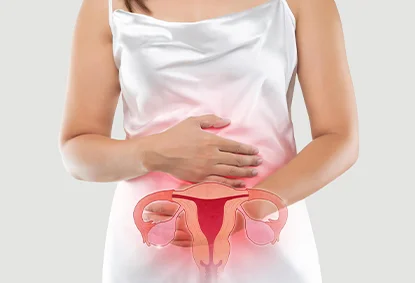
Gynaecological cancers are diseases in which abnormal cells grow uncontrollably in the reproductive organs. These cancers may affect women, transgender men and non-binary people who have relevant reproductive organs.
The five main types are:
Begins in the uterus, commonly in its inner lining (endometrium).
Develops in the ovaries and can also originate in the fallopian tubes or peritoneum.
Starts in the cervix, the lower, narrow part of the uterus.
Develops in the vagina, the muscular canal connecting the cervix to the outside of the body.
Begins in the vulva, the external part of the female genital system.
Although these cancers affect the same reproductive system, their starting points, symptoms and treatment approaches are different.
| Cancer type | Where does it develop? | Common warning signs |
| Womb cancer | Uterus or womb lining | Abnormal vaginal bleeding |
| Ovarian cancer | Ovaries, fallopian tubes or peritoneum | Persistent bloating and abdominal discomfort |
| Cervical cancer | Cervix | Unusual bleeding or vaginal discharge |
| Vaginal cancer | Vaginal tissues | Vaginal bleeding, discharge or a lump |
| Vulval cancer | External genital area | Persistent itching, skin changes or a lump |
Symptoms vary depending on the type of cancer. However, some warning signs can overlap.
Common symptoms include:
Important: These symptoms do not automatically mean cancer. Infections, hormonal changes, fibroids and other conditions can cause similar problems. However, if a symptom is unusual for you, persistent or getting worse, consult a doctor.
There is no single cause of gynaecological cancers. Different cancers have different risk factors, and having one or more risk factors does not mean someone will definitely develop cancer.
Some recognised risk factors include:
Persistent infection with certain high-risk HPV types is a major risk factor for cervical cancer and is also associated with some vaginal and vulval cancers.
The risk of several gynaecological cancers increases with age.
A family history of ovarian, womb or certain other cancers may increase personal risk.
BRCA1, BRCA2 and Lynch syndrome-related gene changes can increase the risk of certain cancers.
Excess body weight is associated with an increased risk of endometrial cancer.
Tobacco use increases the risk of cervical cancer and some other cancers.
Certain hormonal exposures can influence the risk of womb cancer.
Not all gynaecological cancers can be prevented, but certain lifestyle choices and preventive measures can reduce the risk of some types.
Here are some important steps:
HPV vaccination helps protect against high-risk HPV infections associated with cervical and some vaginal and vulval cancers.
Regular cervical screening helps identify HPV infections and abnormal cervical cell changes before they develop into cancer.
Quitting smoking can reduce the risk of cervical cancer.
A balanced diet and regular physical activity can help reduce obesity-related cancer risks.
If close relatives have had ovarian, breast or womb cancer, discuss your risk with a healthcare professional.
Pay attention to unusual bleeding, persistent bloating, pelvic pain and changes around the vulva.
One important point to remember is that cervical screening does not detect all gynaecological cancers. Currently, there is no reliable routine screening test recommended for ovarian, womb, vaginal or vulval cancer in the general population.
Diagnosis depends on the symptoms and the reproductive organ involved. Your doctor may recommend a pelvic examination, ultrasound, blood tests, cervical tests, imaging scans or a biopsy (removing a small tissue sample for laboratory examination).
A biopsy is often needed to confirm whether abnormal cells are cancerous.
Treatment depends on the cancer type, stage, molecular characteristics and the person's overall health.
| Treatment option | How does it work? |
| Surgery | Removes cancerous tissue or affected reproductive organs. |
| Chemotherapy | Uses medicines to destroy cancer cells or stop their growth. |
| Radiotherapy | Uses high-energy radiation to target cancer cells. |
| Immunotherapy | Helps the immune system recognise and attack cancer cells. |
| Targeted therapy | Targets specific proteins or genetic changes involved in cancer growth. |
| Hormone therapy | Uses medicines that affect hormone activity to control certain cancers. |
Some people may need a combination of treatments. Their healthcare team will recommend an approach based on individual needs, treatment benefits and possible side effects.
Research into gynaecological cancers is progressing, with scientists exploring more personalised approaches to diagnosis, monitoring and treatment.
At the 2026 ESMO Gynaecological Cancers Congress in Copenhagen, researchers highlighted several important developments:
These medicines combine an antibody with a cancer-killing drug to help deliver treatment to cancer cells. Researchers are investigating their potential in gynaecological cancers.
Liquid biopsy is a minimally invasive approach that analyses biological markers in blood. Research presented at the congress suggested that ctDNA could help predict cervical cancer relapse approximately one year before imaging in some cases.
Researchers are studying how genetic and molecular characteristics can help doctors select treatments for endometrial cancer. The RAINBO trials are investigating personalised treatment approaches based on molecular subgroups.
Four-year RUBY trial results showed sustained overall survival benefits with dostarlimab plus chemotherapy compared with placebo plus chemotherapy in patients with advanced or recurrent endometrial cancer with mismatch repair deficiency or high microsatellite instability.
These developments are promising, but some approaches remain under investigation. They should not be considered established treatments for every patient.
You should consult a gynaecologist if you experience unusual vaginal bleeding, persistent bloating, unexplained pelvic pain, unusual discharge or changes to your vulval skin.
Do not wait for symptoms to become severe before seeking medical advice. Even if the cause is not cancer, early evaluation can help identify and treat the underlying condition.
The five main types are womb cancer, ovarian cancer, cervical cancer, vaginal cancer and vulval cancer. Each develops in a different reproductive organ.
Unusual vaginal bleeding is an important warning sign, particularly bleeding after menopause. Other symptoms include persistent bloating, pelvic pain, unusual discharge and vulval skin changes.
Not all cases can be prevented. However, HPV vaccination, cervical screening, avoiding smoking and maintaining a healthy weight can help reduce the risk of certain gynaecological cancers.
Yes. Some gynaecological cancers may not cause noticeable symptoms in their early stages. This is why understanding risk factors and seeking medical advice about unusual changes is important.
Anyone with the relevant reproductive organs may develop these cancers. Risk factors vary and include age, HPV infection, inherited genetic changes, family history, smoking and obesity.
Understanding gynaecological cancers starts with knowing your body and recognising changes that are unusual for you. From cervical and ovarian cancer to womb, vaginal and vulval cancer, each type has different symptoms, risk factors and treatment options.
Regular cervical screening, HPV vaccination, awareness of family history and timely medical consultations can make a difference. Most importantly, never feel embarrassed about discussing reproductive health concerns with your doctor. Your health deserves attention, and asking questions is always a good first step.
Disclaimer: This article is for educational purposes only and does not replace professional medical advice, diagnosis or treatment. Consult a qualified healthcare professional about your concerns.
References



 +91 8828828100


 Previous
 Next
.jpg)