An Ovarian Cyst is an abnormal sac formation inside or on the surface of the Ovaries. These sacs are often filled with fluid. Most of the Ovarian Cysts are non-cancerous in nature. These are more often related to hormonal imbalance occurring during the menstrual cycle. Most often, it happens at the time of ovulation and resolves on its own within a few weeks or months. Therefore, treatment is not required most of the time.
But these cysts do not resolve and continue growing, causing bothersome symptoms such as pelvic pain, irregular periods, bloating, or problems conceiving, which necessitate medical evaluation and treatment.
There are two broad categories of Ovarian Cysts. These are:
Functional Ovarian Cysts are the most commonly occurring and are usually harmless. Usually, these cysts resolve on their own and do not require further treatment.
Pathological Ovarian Cysts are unrelated to the menstrual cycle and hormonal imbalance. These cysts necessitate treatment.
Depending on the type, size, symptoms, age, and overall health, the treatment options for Ovarian Cysts vary. The following are the common treatment options for Ovarian Cysts in India:
| Treatment Approach | When It Is Recommended | Key Details |
| Watchful Waiting | Small, fluid-filled cysts with no symptoms | The cyst is monitored over a few months using follow-up pelvic ultrasounds to check for changes in size or appearance. If symptoms are absent, the treatment is suitable at any age. |
| Medications (Hormonal Contraceptives) | To prevent the formation of new ovarian cysts | Hormonal contraceptives help stop ovulation and reduce the risk of future cysts, but do not shrink existing cysts. |
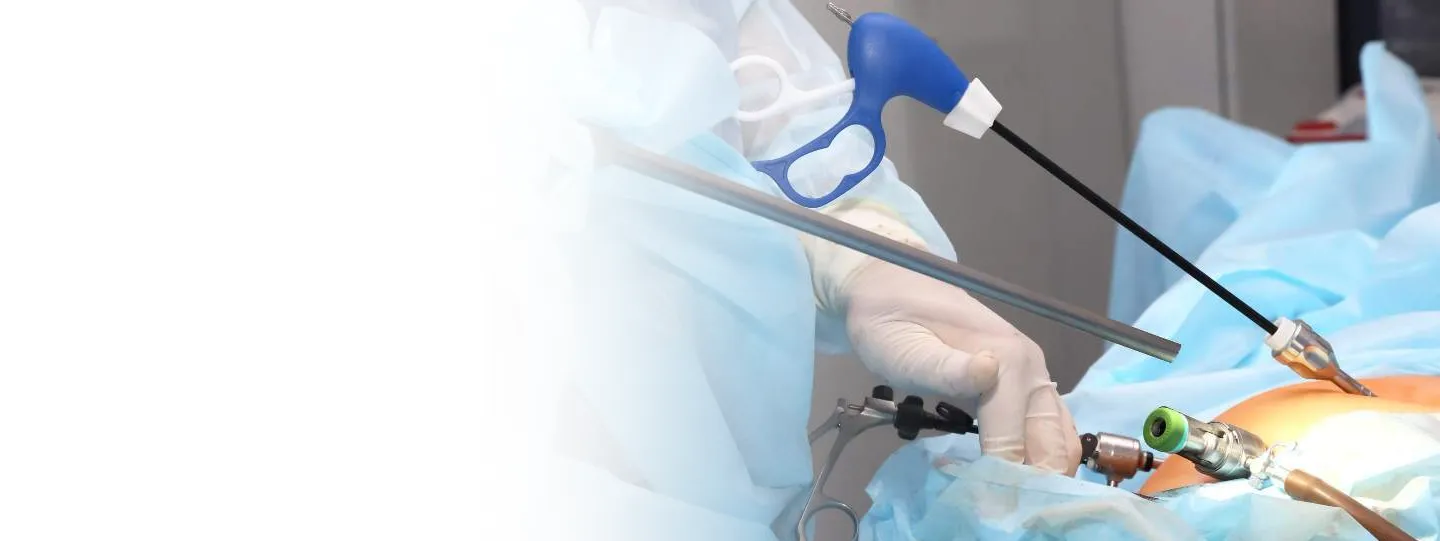
| Surgery (Cystectomy) | Large, persistent, growing, or painful cysts | The cyst is removed while preserving the ovary whenever possible. Often performed using minimally invasive laparoscopy. |
| Surgery (Oophorectomy) | When the cyst severely affects the ovary or cancer is suspected | The ovary containing the cyst is removed. May be laparoscopic or open surgery, depending on cyst size and cancer risk. |
| Open Surgery (Laparotomy) | Very large cysts or concerns about malignancy may require open surgery. | This procedure requires a larger abdominal incision and is selected when laparoscopy is deemed inappropriate. |
| Cancer-Related Treatment | Ovarian cysts developing after menopause or suspected cancer | Referral to a gynaecologic cancer specialist may be necessary. Surgery may include removal of the uterus, cervix, fallopian tubes, and ovaries, followed by chemotherapy or radiation if needed. |
You may expect to recover faster after Laparoscopic Ovarian Cyst Surgery. The following is the recovery timeline.
The cost of Laparoscopic Ovarian Cyst Surgery in India may range from ₹50,000 to ₹150,000 or more. However, costs may be higher for complex cases, such as dermoid Ovarian Cyst Surgery.
The following factors influence the overall cost of Ovarian Cyst removal Surgery:
Choose Surya Hospitals for comprehensive care for Ovarian Cyst treatment with a focus on safety, precision, and patient comfort.
Key advantages include:
If your doctor determines that your Ovarian Cyst is not associated with hormonal problems, they might recommend Surgery. Do not worry, as advancements in minimally invasive care have led doctors to provide Laparoscopic Surgical treatment for Ovarian Cysts. Staying informed and vigilant can help you get earlier and more effective treatment.
Schedule your consultation with the top ovarian cystologists in India at Surya Hospitals for personalised, most effective care. Book your consultation now!
Q1: Is there any medication to treat Ovarian Cysts ?
A: Medication only prevents more cysts; it doesn't shrink or eliminate them. However, antibiotics can be recommended if an infection is present. They do not shrink or remove cysts.
Q2: How safe is Laparoscopic Surgery for Ovarian Cyst removal ?
A: If your Ovarian Cyst necessitates Surgery, the Laparoscopic Ovarian Cyst removal is the safest and most effective procedure that can lead to faster recovery and minimal scarring.
Q3: What are the effects of Ovarian Cyst Surgery on Fertility ?
A: The Laparoscopic Ovarian Cyst removal Surgeries are often performed keeping Fertility-sparing objectives in mind. If the Surgery is performed by experienced specialists, the chances of Fertility preservation are higher.
Q4: Is there a risk of Ovarian Cyst recurrence after Surgery ?
A: Yes, some cysts may recur. But regular follow-up helps in early detection and the most effective care.



 +91 8828828100


 Previous
 Next
Next


